
Langtang Gosainkunda Circuit Trek: Complete Guide 2026/2027
16th Aug, 2026

Everything you need to know about the itinerary, cost, permits, difficulty, and best season for the Langtang Gosainkunda Circuit Trek — the closest Himalayan adventure to Kathmandu.
Table of Contents
Introduction: Glaciers, Sacred Lakes, and Tamang Culture in One Trek
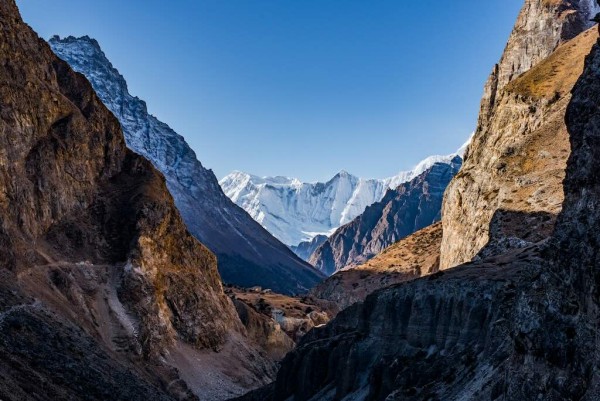
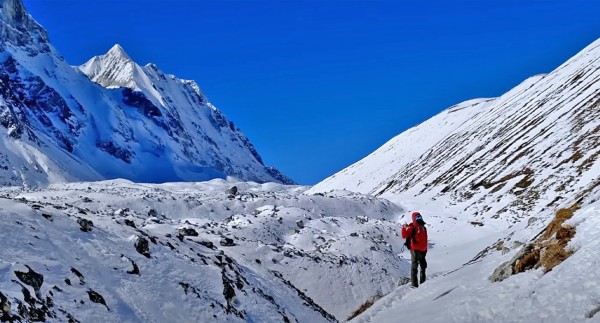
Most Himalayan treks demand a long flight into the mountains or days of driving just to reach the trailhead. The Langtang Gosainkunda Circuit Trek is different. Starting just a few hours' drive north of Kathmandu, it delivers everything a classic Nepal trek promises — glacier-carved valleys, sacred high-altitude lakes, dramatic Himalayan peaks, and deep cultural immersion — without the long approach.
This circuit links two of Nepal's most iconic trekking regions into one unforgettable journey: the forested, glacier-fed Langtang Valley, often called the "Valley of Glaciers," and the sacred, ice-blue Gosainkunda Lakes, one of the most important pilgrimage sites in the Hindu and Buddhist world. If you're short on time but unwilling to compromise on scenery or culture, this is the trek to search for.
Here's the complete guide to planning your journey with Mountain Eco Treks.
What Is the Langtang Gosainkunda Circuit Trek?
The Langtang Gosainkunda Circuit Trek combines two connected routes inside Langtang National Park, Nepal's third-largest protected area. The journey begins in Syabrubesi, climbs through the Langtang Valley to Kyanjin Gompa beneath Langtang Lirung (7,345 m), then crosses over the Lauribina La pass to reach the sacred Gosainkunda Lakes before descending back toward Kathmandu — tracing a full circuit rather than an out-and-back route.
Because the trek stays within Langtang National Park throughout, trekkers pass through some of the richest biodiversity in the Nepal Himalaya, alongside the deeply Buddhist and Hindu cultural landscape shaped by the region's Tamang communities.
Quick Trip Facts
| Detail | Information |
|---|---|
| Duration | 13–14 Days (Kathmandu to Kathmandu) |
| Max Altitude | Gosainkunda Lake (4,380 m) / Optional Tserko Ri (4,984 m) |
| Trek Difficulty | Moderate to Challenging |
| Region | Langtang National Park |
| Daily Trekking Hours | 5–7 hours |
| Accommodation | Hotel (Kathmandu) / Teahouse-Lodge (Trek) |
| Best Season | Spring (Mar–May) & Autumn (Sep–Nov) |
| Starting Point | Syabrubesi (via road from Kathmandu) |
Langtang Gosainkunda Circuit Trek Highlights
- Trek through Langtang National Park, home to red pandas, Himalayan tahr, musk deer, and diverse birdlife
- Reach Kyanjin Gompa, a centuries-old Buddhist monastery beneath the towering Langtang Lirung (7,345 m)
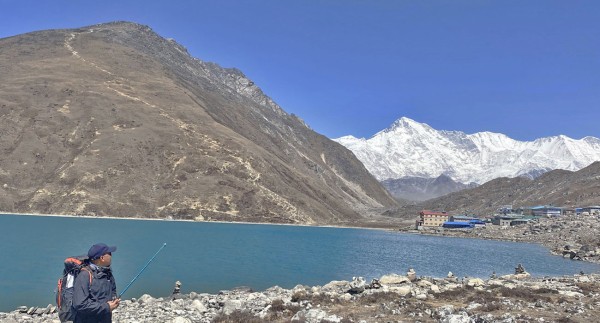
- Visit the sacred Gosainkunda Lakes (4,380 m), believed in Hindu mythology to have been formed by Lord Shiva's trident
- Cross the dramatic Lauribina La pass, linking the Langtang and Gosainkunda routes into one continuous circuit
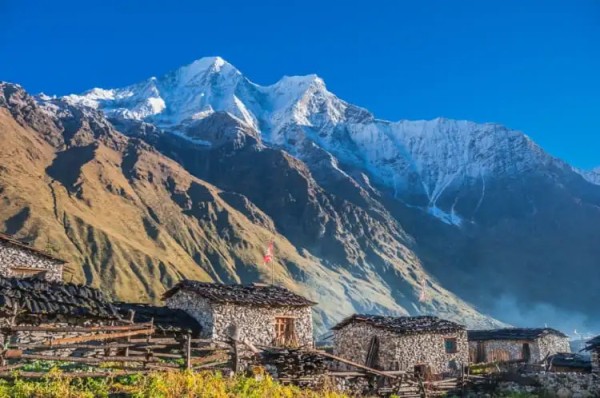
- Experience authentic Tamang culture in villages largely shaped by Tibetan Buddhist tradition
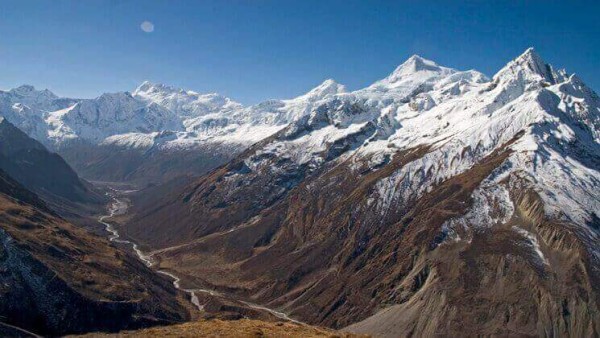
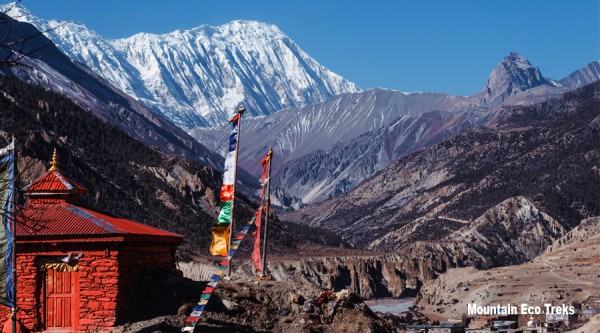
- Enjoy panoramic Himalayan views of Langtang Lirung, Dorje Lakpa, Gang Chenpo, Naya Kanga, and Ganesh Himal
- Walk through rhododendron and bamboo forests, alpine meadows, and glacier-fed river valleys — all within a few hours of Kathmandu
- Sample fresh, local dairy at the organic cheese factories of Kyanjin and Sing Gompa
Langtang Gosainkunda Circuit Trek Itinerary
Day 1: Arrival in Kathmandu
Land in Kathmandu and transfer to your hotel, where our team will brief you on the trek ahead.
Day 2: Drive to Syabrubesi (1,470 m) via Trisuli and Dhunche — 6 hrs
A scenic drive along the Trisuli River, passing through Dhunche town before descending to Syabrubesi, the trailhead for Langtang.
Day 3: Trek to Lama Hotel (2,200 m) — 6 hrs
Follow the Langtang Khola through dense forest of oak, bamboo, and rhododendron, with chances to spot langur monkeys and red pandas.
Day 4: Trek to Langtang Village (3,430 m) — 5 hrs
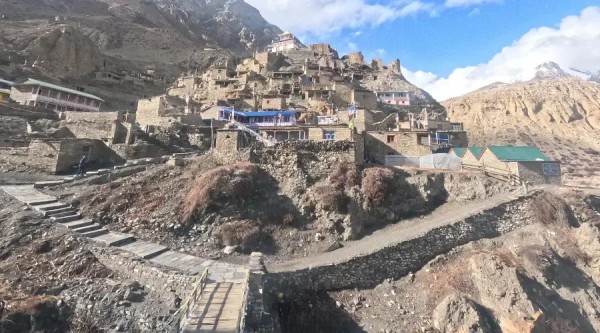
Climb through opening valley views into Langtang village, an old Tamang settlement rebuilt after the 2015 earthquake, rich in Buddhist culture.
Day 5: Trek to Kyanjin Gompa (3,749 m) — 4 hrs
A shorter day reaching Kyanjin Gompa, home to a historic monastery and cheese factory beneath Langtang Lirung (7,345 m).
Day 6: Acclimatization Day at Kyanjin Gompa
Rest and explore, with an optional hike to Kyanjin Ri or Tserko Ri for panoramic glacier and peak views.
Day 7: Trek to Lama Hotel (2,350 m) — 6 hrs
Retrace the trail downhill through forested terrain back to Lama Hotel.
Day 8: Trek to Upper (Thulo) Syabru (2,118 m) — 5 hrs
Descend further before climbing to Thulo Syabru, a traditional village offering wide valley views.
Day 9: Trek to Sing Gompa/Chandanbari (3,330 m) — 5 hrs
Ascend through rhododendron forest to Sing Gompa, known for its monastery and cheese factory.
Day 10: Trek to Gosainkunda (4,381 m) — 5 hrs
Climb above the treeline to reach the sacred Gosainkunda Lake, a major Hindu and Buddhist pilgrimage site.
Day 11: Trek to Ghopte Odar (3,566 m) via Laurebina La (4,609 m)
Cross the trek's highest point, Laurebina La pass, before descending to Ghopte Odar — the most challenging day of the trek.
Day 12: Trek to Kutumsang (2,445 m) — 6 hrs
Descend through forest and ridge trails into Kutumsang, a Tamang and Sherpa village in the Helambu region.
Day 13: Trek to Chisapani (2,195 m) via Gul Bhanjyang (2,125 m) — 7 hrs
A long day through mixed forest and farmland villages, reaching Chisapani with views back toward the mountains.
Day 14: Trek to Sundarijal (1,380 m), Drive to Kathmandu
A final downhill walk (about 4 hours) to Sundarijal, followed by a short drive back to Kathmandu.
Day 15: International Departure
Transfer to Tribhuvan International Airport for your onward flight home.
(Exact itinerary, daily distances, and departure dates are listed on the official trip page — always confirm the current schedule before booking.)
How Difficult Is the Langtang Gosainkunda Circuit Trek?
This trek is generally rated moderate to challenging. Unlike the standalone Langtang Valley Trek, the circuit adds a high mountain pass (Lauribina La) and extended time above 4,000 meters around Gosainkunda, which increases both the physical demand and the importance of proper acclimatization.
Daily walks typically run 5–7 hours, with total trek distance covering roughly 100–120 km depending on the exact route and any optional side hikes to Tserko Ri or Kyanjin Ri. Trekkers with reasonable fitness and some prior hiking experience will find it manageable, but this is not considered a beginner-only trek given the altitude and pass crossing involved.
Best Time for the Langtang Gosainkunda Circuit Trek
Spring (March–May)
Rhododendron forests bloom vividly along the lower trails, days are mild, and visibility is generally good — a favorite season for photographers and nature lovers.
Autumn (September–November)
Widely regarded as the best season, with stable weather, clear mountain views, and comfortable trekking temperatures. The Janai Purnima festival in August also draws Hindu pilgrims to Gosainkunda, though this falls just before the main autumn window.
Seasons to Avoid
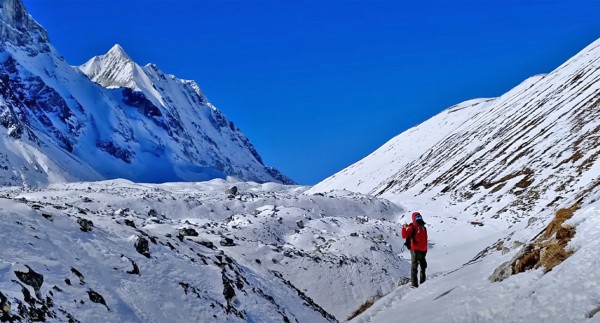
Monsoon (June–August) brings heavy rain, leeches, landslide risk, and poor visibility, making trails difficult and views unreliable. Winter (December–February) is possible for experienced trekkers but involves serious cold and potential snow at the Lauribina La pass.
Langtang Gosainkunda Circuit Trek Cost
Trekking package prices for this circuit generally range from US$ 600 to US$ 1,200 per person, depending on trek duration, group size, season, and the level of service included. Costs typically cover permits, transportation, teahouse accommodation, meals during the trek, and guide/porter services.
Typical Inclusions
- Airport pickup and drop-off
- Kathmandu–Syabrubesi–Kathmandu transportation
- Teahouse/lodge accommodation during the trek
- All meals (breakfast, lunch, dinner) while trekking
- Professional trekking guide and porter services
- Langtang National Park entry permit
- TIMS card (Trekkers' Information Management System)
Typical Exclusions
- Nepal entry visa and international flights
- Meals in Kathmandu outside of specified inclusions
- Personal travel insurance
- Alcoholic drinks, hot showers, and battery charging on trek
- Tips for guide and porter
For exact current pricing, group discounts, and included services, check the official trip page.
Langtang Gosainkunda Circuit Trek Permits
Two permits are required for the Langtang Gosainkunda Circuit Trek:
- Langtang National Park Entry Permit
- TIMS Card (Trekkers' Information Management System)
Combined permit costs typically range from US$ 50 to US$ 70 per person, and both are generally arranged through your trekking agency before departure.
Food and Accommodation in the Langtang Gosainkunda Circuit Trek
Accommodation along the Langtang Gosainkunda Circuit Trek is provided in comfortable hotels in Kathmandu and simple teahouses and lodges once on the trail, offering basic twin-sharing rooms that get more rustic at higher elevations like Gosainkunda and Ghopte Odar.
Meals are typically included during the trek, with dal bhat (rice, lentils, and vegetables) serving as the trekking staple alongside options like noodle soups, momos, porridge, and fresh local dishes, while Kyanjin Gompa and Sing Gompa are especially known for their homemade yak cheese. As the trail climbs higher and grows more remote past Laurebina La, food and lodging options become simpler, but teahouses throughout the route continue to offer warm meals and a friendly place to rest after each day's walk.
People and Religion in Langtang & Gosainkunda Area
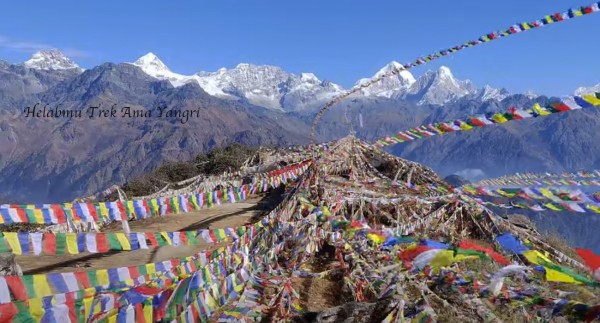
The Langtang region is home predominantly to the Tamang community, an ethnic group of Tibetan origin whose culture is deeply shaped by Tibetan Buddhism, reflected in the many monasteries, mani walls, and prayer flags found throughout villages like Langtang and Kyanjin Gompa. As the trail continues toward Gosainkunda, the area takes on added religious significance for both Buddhists and Hindus, since the sacred Gosainkunda Lake is believed in Hindu mythology to have been created by Lord Shiva's trident and draws pilgrims each year, especially during the Janai Purnima festival. This blend of Tamang Buddhist heritage in the lower valley and shared Hindu-Buddhist pilgrimage tradition around the lake gives the Langtang Gosainkunda Circuit a spiritual depth that runs alongside its natural beauty.
Essential Trekking Equipment for the Langtang Gosainkunda Circuit Trek
- Footwear: Broken-in waterproof hiking boots, plus camp shoes/sandals for evenings
- Clothing: Layered thermal base layers, fleece jacket, waterproof/windproof outer shell, trekking pants, warm hat, gloves, and sunglasses
- Sleeping: 4-season sleeping bag (essential for cold nights near Gosainkunda and Ghopte)
- Bags: Daypack (20–30L) for daily essentials, plus a duffel bag for porter-carried gear
- Navigation & Light: Headlamp with spare batteries, trekking poles for the Laurebina La pass crossing
- Health & Hygiene: Basic first-aid kit, water purification tablets or filter, sunscreen, lip balm, and personal toiletries
- Extras: Reusable water bottle, quick-dry towel, power bank, and snacks for high-altitude days
Most technical gear can also be rented or bought affordably in Thamel, Kathmandu, before the trek begins.
Kathmandu to Syabrubesi Road Condition
The 122 km journey from Kathmandu to Syabrubesi takes roughly 6–9 hours by jeep or bus, following the Pasang Lhamu Highway through Trishuli Bazaar and Dhunche. The road is a genuine mix: the stretch through Betrawati, Trishuli, and Kathmandu is largely paved and in good condition, but conditions narrow and get rougher after Betrawati, particularly toward Dhunche, with sections that are unpaved, dusty, or muddy depending on the season.
The most notorious section is a 3 km landslide-prone stretch near Dhunche, known as the Ramche Landslide or Phairo area, which can cause delays after heavy rain. Landslides are common during the monsoon season from June to September, so this route is best avoided or approached with flexible timing during those months.
Practical tips:
- Shared jeeps ("Sumos") are generally faster and more robust on unpaved sections than buses
- If you're prone to motion sickness, sit toward the front and pack motion-sickness tablets
- Expect a bumpy, dusty ride on the upper sections — comfortable clothing and a dust mask help
- Book tickets a day in advance during peak trekking season, as buses fill quickly
Bottom line: the road is safe and regularly used, but it's an adventure in itself — paved highway giving way to switchbacks and gravel as you climb into the hills, well before the trekking even begins.
Frequently Asked Questions
1. Is the Langtang Gosainkunda Circuit Trek suitable for beginners?
It's better suited to trekkers with some prior hiking experience, given the altitude gain to over 4,000 m and the Lauribina La pass crossing. Fit beginners with good preparation can complete it, ideally with a private guide.
2. How is this different from the standalone Langtang Valley Trek?
The standalone Langtang Valley Trek is an out-and-back route to Kyanjin Gompa. The Gosainkunda Circuit extends that journey by crossing a high pass to include the sacred Gosainkunda Lakes, making it longer, higher, and more physically demanding — but also more complete as a circuit.
3. What is the highest point on the trek?
Gosainkunda Lake sits at 4,380 m, the trek's key destination. Trekkers who add the optional Tserko Ri side hike from Kyanjin Gompa can reach as high as 4,984 m.
4. Do I need a guide for this trek?
While independent trekking is possible in Langtang, a guide is strongly recommended given the pass crossing, variable weather near Gosainkunda, and the value of local cultural insight along the Tamang villages en route.
5. When is the best time to see Gosainkunda at its most special?
Beyond the general spring and autumn trekking seasons, the Janai Purnima festival (typically August) draws Hindu pilgrims to the lake for a significant religious bathing ritual, though this falls in the less stable monsoon season.
Why Trek with Mountain Eco Treks
Choosing a knowledgeable local operator matters most on routes like this one, where a mountain pass and extended high-altitude walking call for good judgment on pacing, weather, and acclimatization. Mountain Eco Treks brings local expertise in the Langtang region, with itineraries designed to balance a full circuit experience against safe, sensible daily distances — letting trekkers enjoy both the glacier scenery of Langtang Valley and the spiritual calm of Gosainkunda without unnecessary risk.
Their guides and support crew bring firsthand knowledge of the Tamang villages along the route, helping trekkers connect with local culture in a way that goes beyond scenery alone.
Ready for Nepal's Closest Full Himalayan Circuit?
The Langtang Gosainkunda Circuit Trek proves that you don't need to travel far from Kathmandu to experience the full range of what the Himalayas offer — glacier valleys, sacred alpine lakes, dramatic mountain passes, and living Tamang culture, all within a two-week journey.
View the full itinerary, dates, and booking details for the Langtang Gosainkunda Circuit Trek →
Have questions before you book? Reach the Mountain Eco Treks team directly through their official website for current departure dates and personalized itinerary planning.
Recent From Blog

19th Apr, 2019


23rd Dec, 2018

11th Jan, 2024

14th Jan, 2024

29th Jan, 2025

11th Feb, 2025

18th Feb, 2025

25th Feb, 2025

5th Apr, 2025
23rd Dec, 2025
9th May, 2026
12th Jul, 2026

13th Aug, 2026
13th Aug, 2026
13th Aug, 2026

16th Aug, 2026
20th Aug, 2026


11th Sep, 2026
24th Sep, 2026